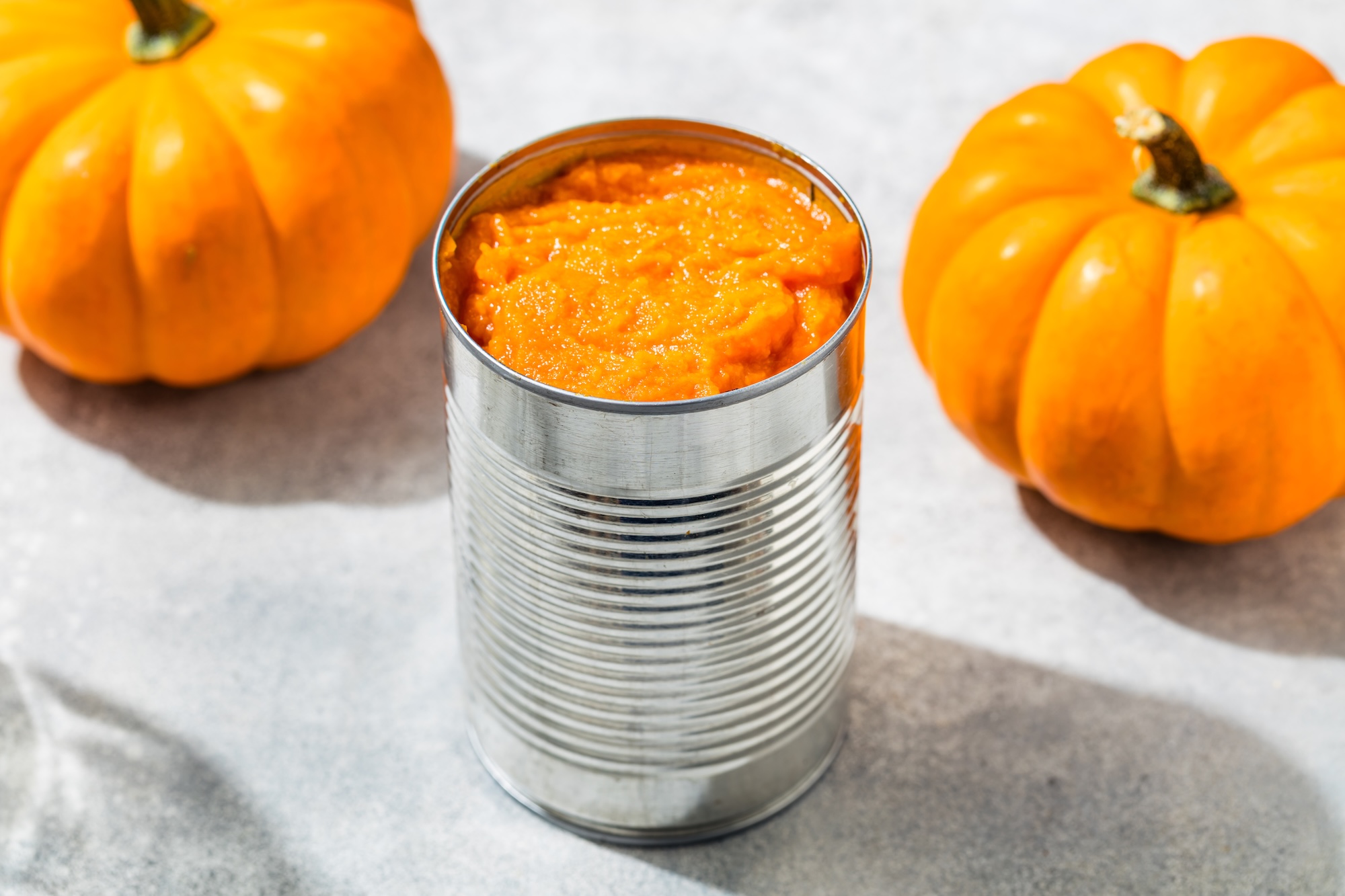
Pumpkin Puree vs. Fresh: What's Really Inside Your Can?
Pumpkin puree is a staple in many fall recipes, but its contents may surprise you. While it enhances pies and lattes, the puree might not taste like traditional pumpkins.
What Pumpkin Puree Actually Is
Pumpkin puree consists of cooked, mashed pumpkin flesh, often made from Dickinson pumpkins or a mix of winter squashes. The USDA allows "100 percent pumpkin" labels to include squash as well. Most canned pumpkin in the U.S. is produced in Illinois.
Can You Bake With a Carving Pumpkin?
While possible, using carving pumpkins for baking is usually disappointing due to their stringy texture and bland taste. For better results, opt for sugar pie pumpkins or Kabocha squash, known for their sweetness and smoother texture.
Fresh vs Canned: How They Really Compare
Canned pumpkin offers consistent texture and a uniform flavor, while fresh options can be lighter and sweeter but require more preparation. Nutritionally, canned pumpkin provides more carotenoids compared to fresh.
Canned puree is dense and smooth but less sweet than fresh roasted pumpkin.
Homemade puree varies more in texture and may require draining or additional roasting.
Canned has higher carotenoid levels, which are beneficial to health.
Cost, Convenience and Smart Swaps
Canned puree is affordable and convenient year-round. Fresh pumpkin demands more preparation but delivers lighter flavors suitable for specific recipes. When swapping between fresh and canned, adjust moisture levels accordingly.
Canned puree is often used interchangeably with fresh by volume, but fresh should be drained first.
Butternut squash is a suitable substitute for canned pumpkin since they share similarities.
For pie-ready homemade puree, roast pumpkin halves to enhance flavor and manage moisture content before use.