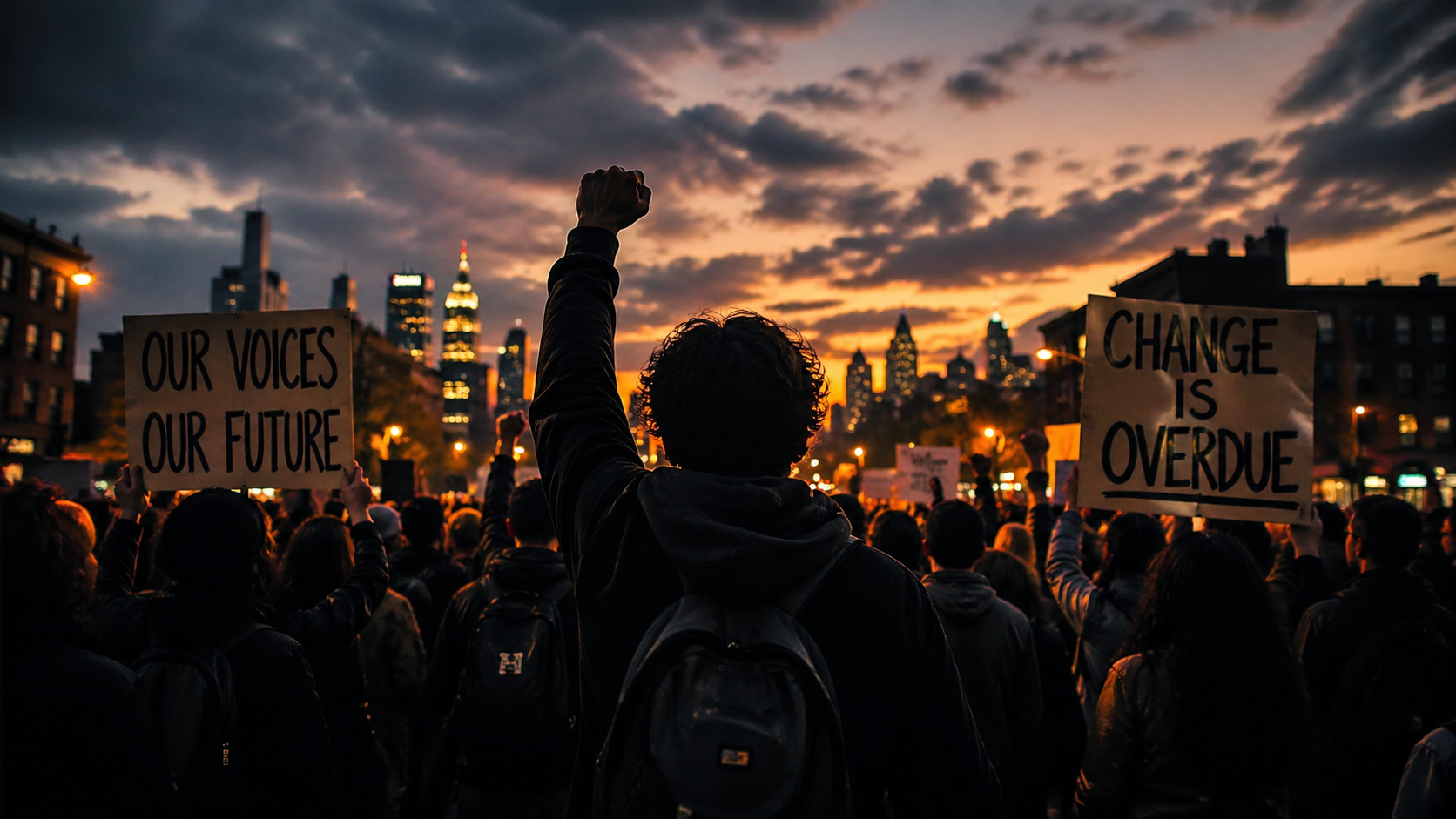
Protest Songs Resurface in 2026: What It Means for Us All
Classic protest songs are finding renewed relevance as social and political issues persist, resonating with modern movements. Songs by artists like Marvin Gaye, Sam Cooke, and Public Enemy continue to serve as powerful anthems for social change.
Timeless Messages
Marvin Gaye's "What's Going On," released in 1971, was inspired by his brother's Vietnam War letters. It remains significant today as social unrest continues. Similarly, Sam Cooke's "A Change Is Gonna Come" from 1964 speaks to ongoing struggles for equality.
Nina Simone's "Mississippi Goddam" addressed racial violence in the 1960s and is echoed in modern civil rights protests. Public Enemy's "Fight the Power," debuted in 1989 and performed again in 2020, underscores persistent racial tensions.
Contemporary Voices
Kendrick Lamar’s “Alright” became an anthem during recent Black Lives Matter protests, while Janelle Monáe’s “Hell You Talmbout” lists victims of police violence. Childish Gambino's "This Is America" highlights ongoing issues like gun violence and systemic racism.
Intergenerational Impact
Tupac Shakur's "Changes," recorded in 1992, tackles themes that remain pertinent today. Meanwhile, Bob Marley and Peter Tosh’s "Get Up, Stand Up" continues to inspire global resistance against injustice.
These songs serve not just as reminders of past struggles but also as beacons guiding continuing efforts for change.